Akil Mutawakkil.
CurrentlyAI Product Designer & Manager @ ChatDaddy
Based inBondowoso, Indonesia
All projects
Case study · Lingble · 2023 - 2024

Building trust at the moment of payment

Having secure payment badges is to make trust, secure transaction in our site.

18%of shoppers abandoned a checkout over card-trust worries (Baymard)
4,384respondents in that Baymard study
3research sources: Baymard, Yieldify, CXL
3solution pillars: badges, reassurance, visual cues
Security Payment Badges on Checkout cover
01

The problem

Having secure payment badges is to make trust, secure transaction in our site. When someone comes to our eCommerce website for the first time, they are being introduced to our brand. If they have never interacted with your brand before, this is their introduction to our business. we want to ensure that they know our eCommerce website is a safe, secure place. And of course, we want them to complete their purchase.
Security Payment Badges on Checkout

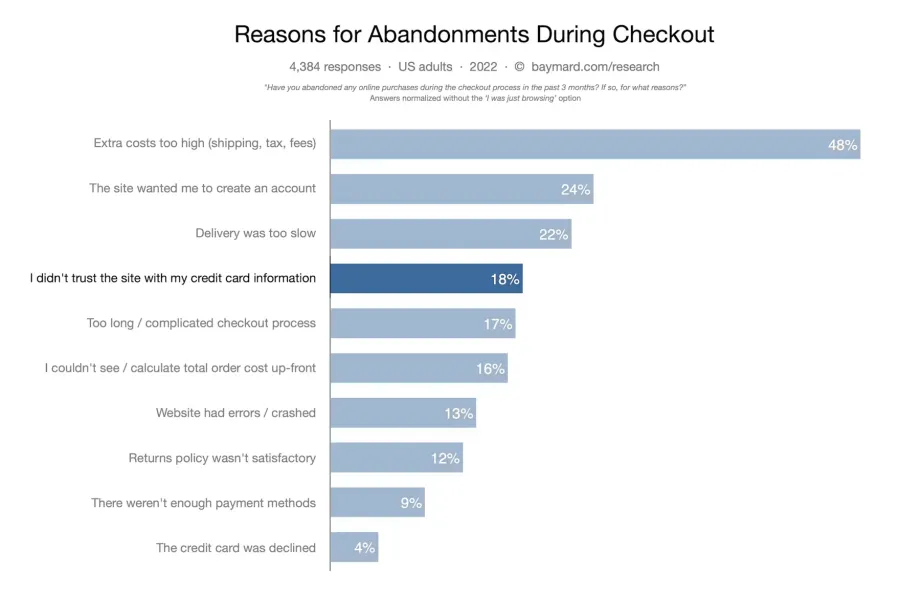
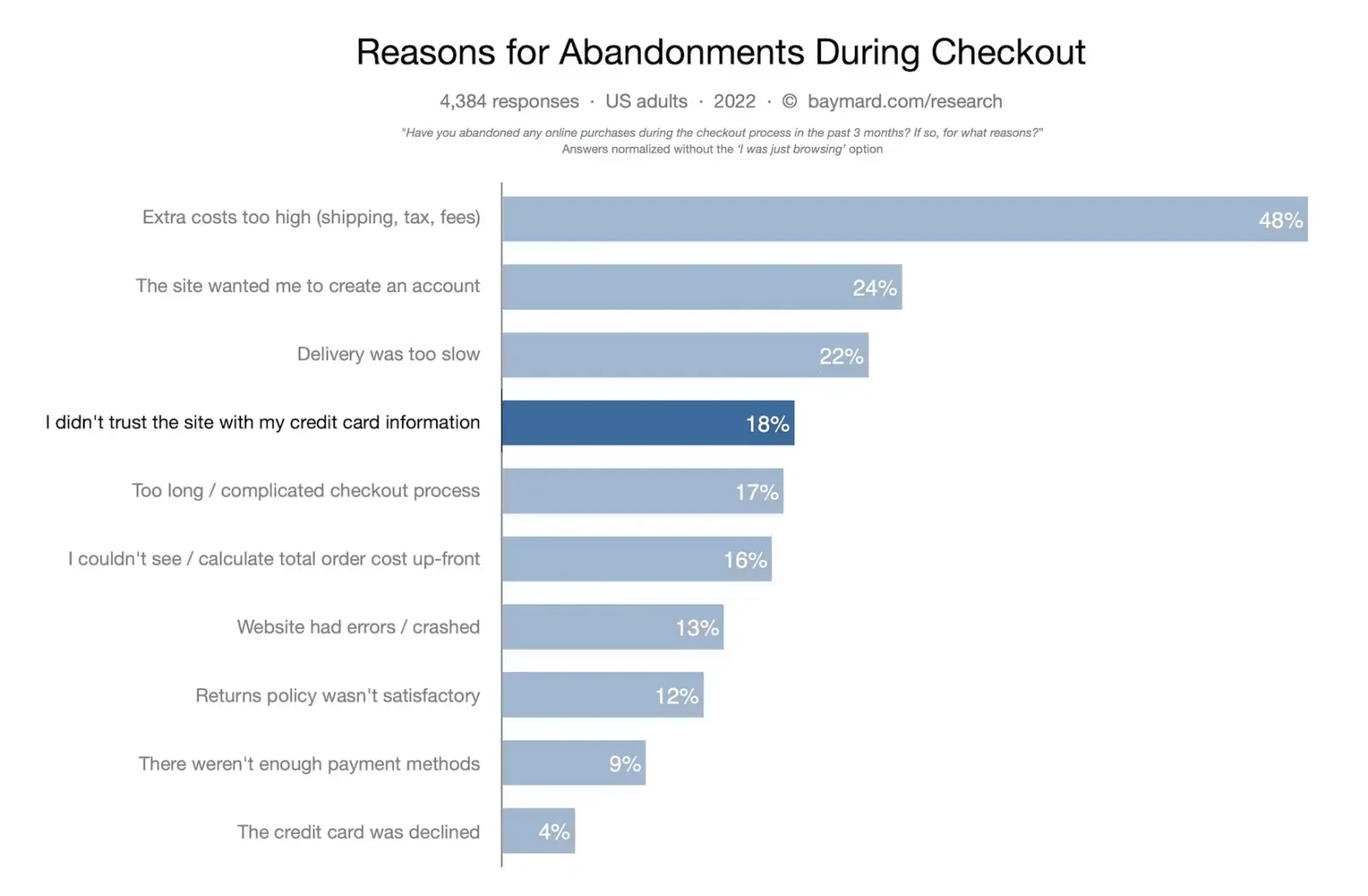
In fact, according to baymard most recent Checkout Usability study reveals that 18% of users have abandoned a checkout flow during the last 3 months because they “didn’t trust the site with their credit card information” (4,384 respondents, average US adult internet population, 2022).

according to Yieldify Trust badges can be used throughout your website but will have the most impact where users may still have initial doubts about purchasing from you or are required to give personal information.

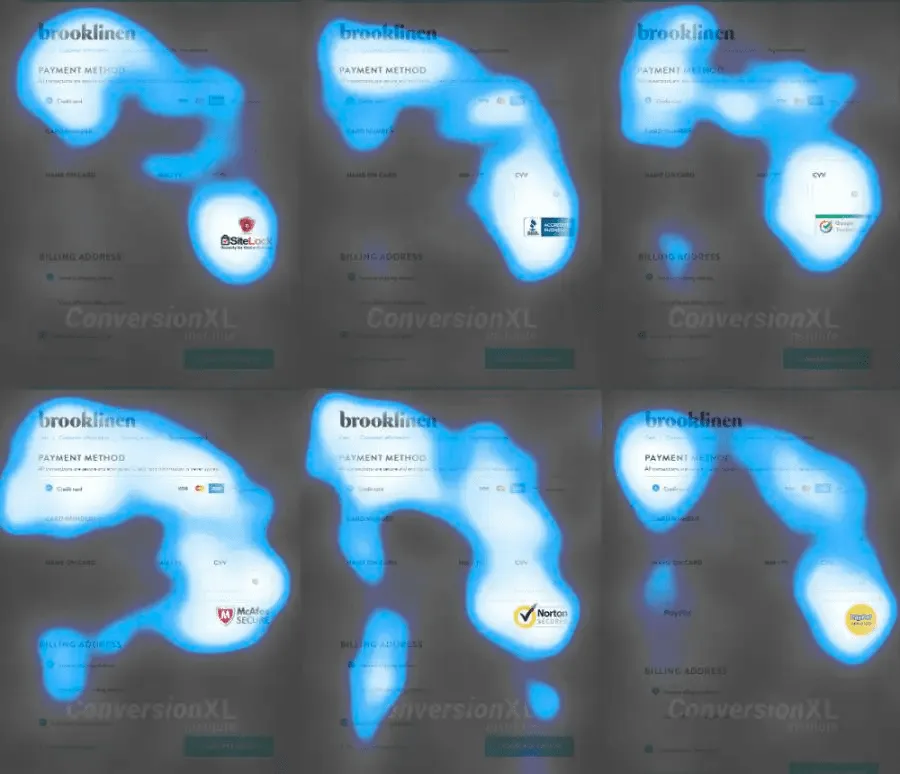
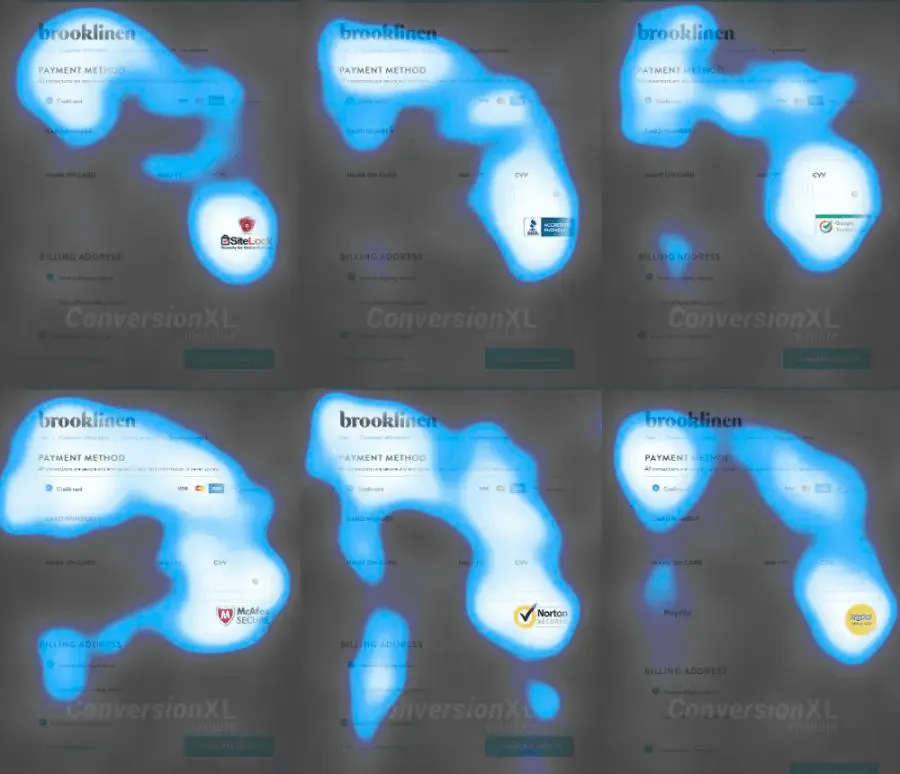
CXL looked into customers’ observational patterns when they were preparing to make online purchases, and it turns out they are quite similar. They search for quick reassurance.
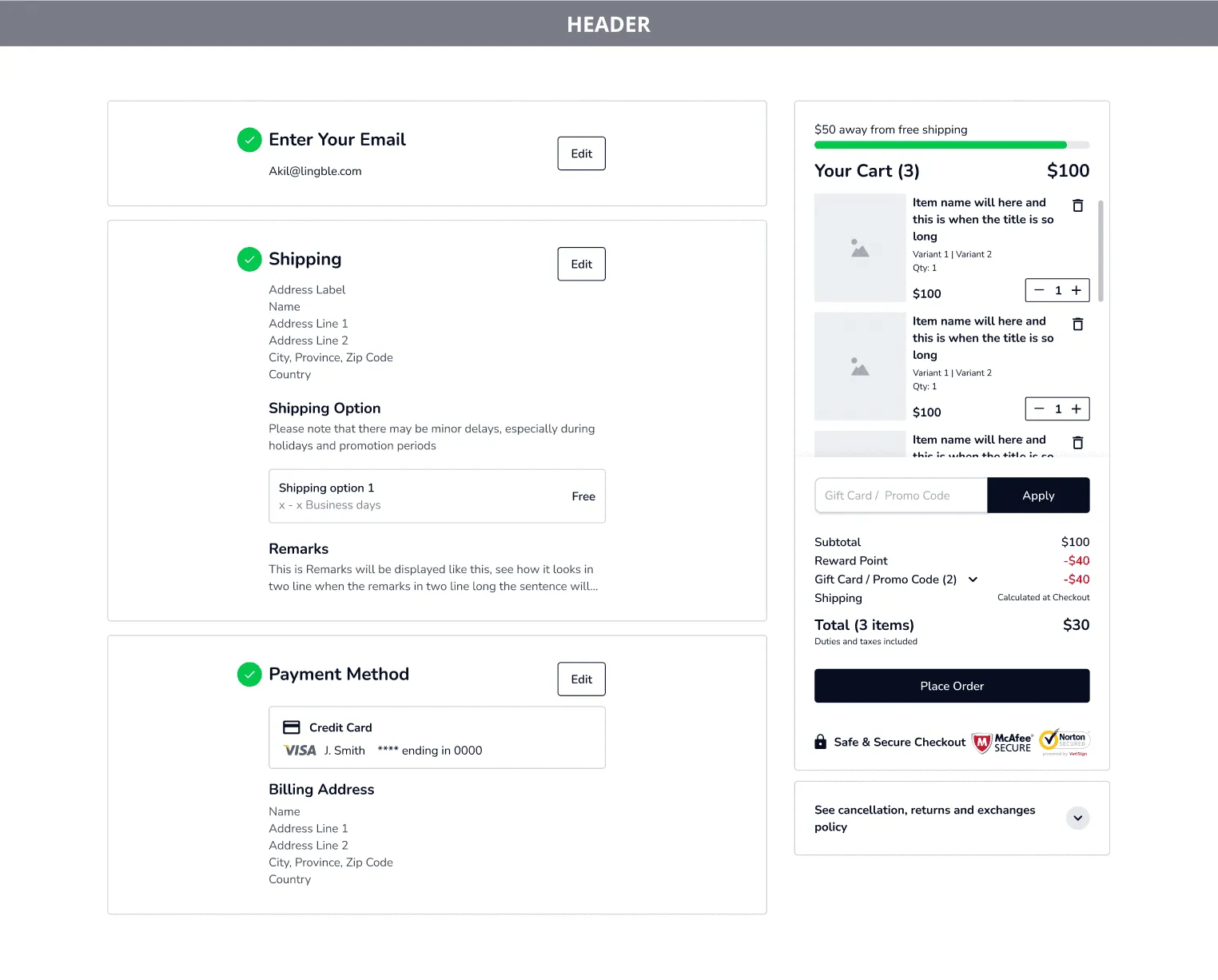
Security Payment Badges on Checkout
02

The solution

Security Payment Badges on Checkout

Given the insights from Baymard, Yieldify, and CXL, a comprehensive solution to boost users' trust in the checkout process can be structured as follows:

1. Incorporate Trust Badges Strategically

01

Placement

Place trust badges prominently at key touchpoints in the user journey, especially at stages where they might feel hesitation, such as:
  • Product pages
  • Cart summary
  • Checkout steps involving payment or personal information
02

Types of Badges

Use badges that address specific concerns, like:
  • Security assurance (e.g., SSL certificate, "Secured by [provider]" icons)
  • Payment trust (e.g., logos of trusted payment gateways like PayPal, Visa, Mastercard)
  • Satisfaction guarantees (e.g., “Money-Back Guarantee,” “Verified Seller”)

2. Streamline Checkout Flow with Clear Reassurance Messages

01

Highlight Security

Include concise, reassuring messages in areas where users provide sensitive information, like “Your information is protected by industry-standard encryption.”
02

Minimize Steps

Simplify the number of steps in the checkout process to reduce user fatigue and lower drop-off rates.
03

Progress Indicators

Use a visual progress bar or steps indicator to show users how close they are to completing the checkout.

3. Use Visual Cues for Quick Reassurance

01

Consistency Across Design Elements

Employ consistent colors and iconography associated with trust, like green or blue tones, for secure actions or text, to reinforce reliability.
02

Real-time Support Options

Add a live chat option or a visible FAQ section to allow users to quickly ask questions if they feel uncertain.
Got questions?

Let's build products
that actually think.

I’m always excited to collaborate on innovative and exciting projects.

Phone+62 852 2845 4057